The 48-Team Format: How The World Cup 2026 Actually Works
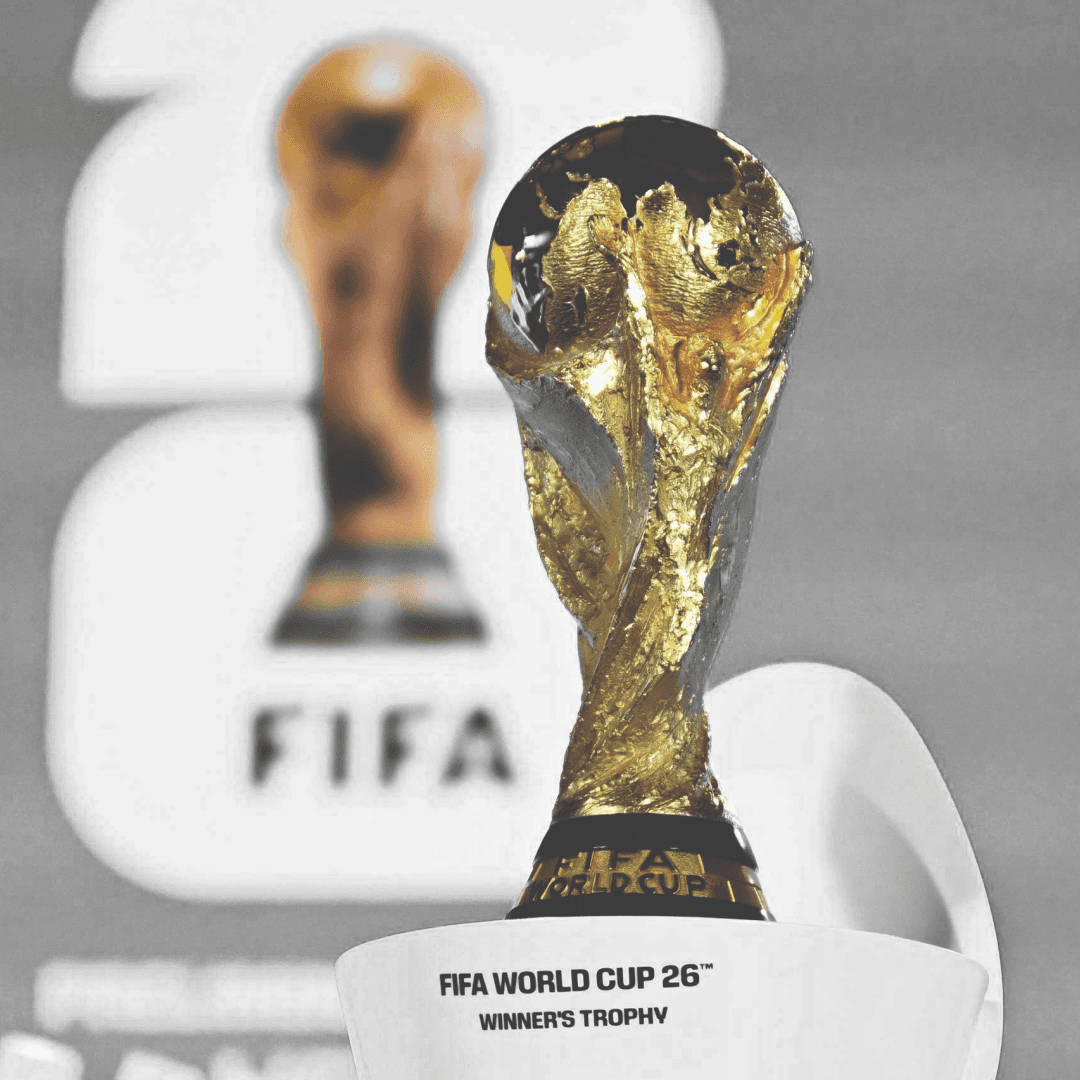
TL;DR: The 2026 World Cup is ditching the classic 32-team setup for a massive 48-team expansion, featuring a record-breaking 104-match schedule over 39 days. This new era transforms the tournament into a non-stop social conversation where Kash, the social-native prediction market, lets fans prove their ball knowledge by quote-tweeting @kash_bot to trade on every twist and turn.
[Last updated: March 14, 2026]
The 104-Match Marathon: Why 2026 is a Different Beast
For the first time in history, the FIFA World Cup will feature 48 teams and 104 matches. Analysts warn that even traditional "safe picks" could collapse, making this the most unpredictable tournament ever. We are moving from a month-long sprint to a 39-day marathon.
Forget the predictability of the old eight-group format. The 2026 expansion, hosted across the United States, Canada, and Mexico, represents a fundamental shift in footballing density. With more games comes more data, more "groups of death," and more opportunities for the "Anti-Pundit" to prove the talking heads wrong.
Did you know? In 2026, even a team with two losses could reach the Round of 32. The World Cup just became a spreadsheet nightmare, and a social media goldmine.
The "Best 3rd Place" Chaos: Every Goal Matters
The most radical change isn't just the number of teams, but how they advance. Instead of the top two moving on, we now have 12 groups of four teams. The top two from each group still qualify, but the knockout bracket is filled out by the eight best third-place teams.
This creates a "Butterfly Effect" across the entire tournament:
Zero Dead-Rubber Games: A team in Group L might need a specific result in Group A just to stay alive.
The Drama of the 90th Minute: Goal difference and yellow card counts will determine who snatches those final eight spots.
Underdog Eras: Small nations could make history as third-place qualifiers, echoing the legendary runs of Croatia in 2018 or South Korea in 2002.
This format ensures the "Social Flex" is constant. When a "minor" nation holds a giant to a draw to sneak through, the fallout on X will be instantaneous
The Great Expansion: 2022 vs. 2026 Format
Feature | 2022 World Cup (Legacy) | 2026 World Cup (New) |
Total Teams | 32 | 48 |
Total Matches | 64 | 104 |
Tournament Duration | 29 Days | 39 Days |
Knockout Stage | Starts at Round of 16 | Starts at Round of 32 |
Third-Place Safety Net | None (Top 2 only) | 8 Best 3rd Place Teams Advance |
The Social Feed: Where the Real World Cup Lives
In 2026, the World Cup isn't just a broadcast; it's a continuous conversation. Statistics show that 43% of GenZ fans use social media specifically while watching live sports. They aren't just spectators; they are participants in a two-way dialogue.
Traditional sportsbooks and "finance-native" terminals like Kalshi or Polymarket are often too slow or too cluttered to capture these viral narratives. They look like Excel spreadsheets in an era of TikTok clips and X threads.
This is where Kash changes the game. By living where the conversation happens (directly on X) it captures the impulse of the moment. See a pundit give a "fraudulent" take? Fade it instantly by quote-tweeting @kash_bot. The tech is invisible, but the "flex" of being right in front of your followers is very real.
How to Own the Chaos on Kash
As we approach the tournament, the smart move isn't just watching the games—it's owning the markets.
On Kash, you aren't just a spectator; you're a market creator:
Build in Seconds: Use the Kash app to create a market on any niche narrative—like "Will an African nation top Group C?" or "Will a third-place team reach the Semi-finals?" It takes just 30 seconds.
Earn as You Go: Any user-generated market earns the creator a 30% revenue share from the fees generated.
Trade on X: Once your market is live, simply quote-tweet @kash_bot to invite your followers to back their words or fade yours.
No app switching, no cluttered UI, just markets where the conversation is already happening.
Get Ahead Before the First Whistle
The 2026 World Cup will be a 39-day whirlwind of drama. Don't just tweet about it—be the one who called it. Join the waitlist at kash.bot to be the first to access World Cup 2026 markets and prepare to quote-tweet @kash_bot to prove you're right.
FAQ
How many teams qualify for the 2026 World Cup?
A record 48 teams will qualify, up from the 32-team format used since 1998.
How do the "best 3rd place teams" advance?
In the 12-group format, the top two teams from each group advance automatically. They are joined in the Round of 32 by the eight third-place teams with the best points, goal difference, or other tie-breakers.
How many games are in the 2026 World Cup?
The schedule has expanded to 104 matches, significantly increasing the amount of football played compared to the previous 64-match format.
Can I create my own prediction markets for the World Cup?
Yes. Using the Kash app, any user can create a custom market on any event or narrative in 30 seconds and earn 30% of the revenue generated by that market.
Do I need a separate app to trade on Kash?
No. While market creation happens in the app, all trading is done natively on X (Twitter) by quote-tweeting @kash_bot.
Disclaimer
Kash is currently available on testnet only. The users on Kash's testnet are real; funds are test funds.
Nothing in this post should be used or considered as legal, financial, tax, or any other advice, nor as an instruction or invitation to act by anyone. Users should conduct their own research and due diligence before making any decisions. Kash may alter or update any information in this post in the future at its sole discretion and assumes no obligation to publicly disclose any such change. This post is solely based on the information available to Kash at the time it was published and should only be read and taken into consideration at the time it was published and on the basis of the circumstances that surrounded it. Kash makes no guarantees of future performance and is under no obligation to undertake any of the activities contemplated herein.
Prediction markets may not be regulated and may not be adequate for retail investors. Do your own research and due diligence before engaging in any activity involving prediction markets.

