Making prediction markets mainstream: Q&A with Kash founder Lucas Martin Calderon
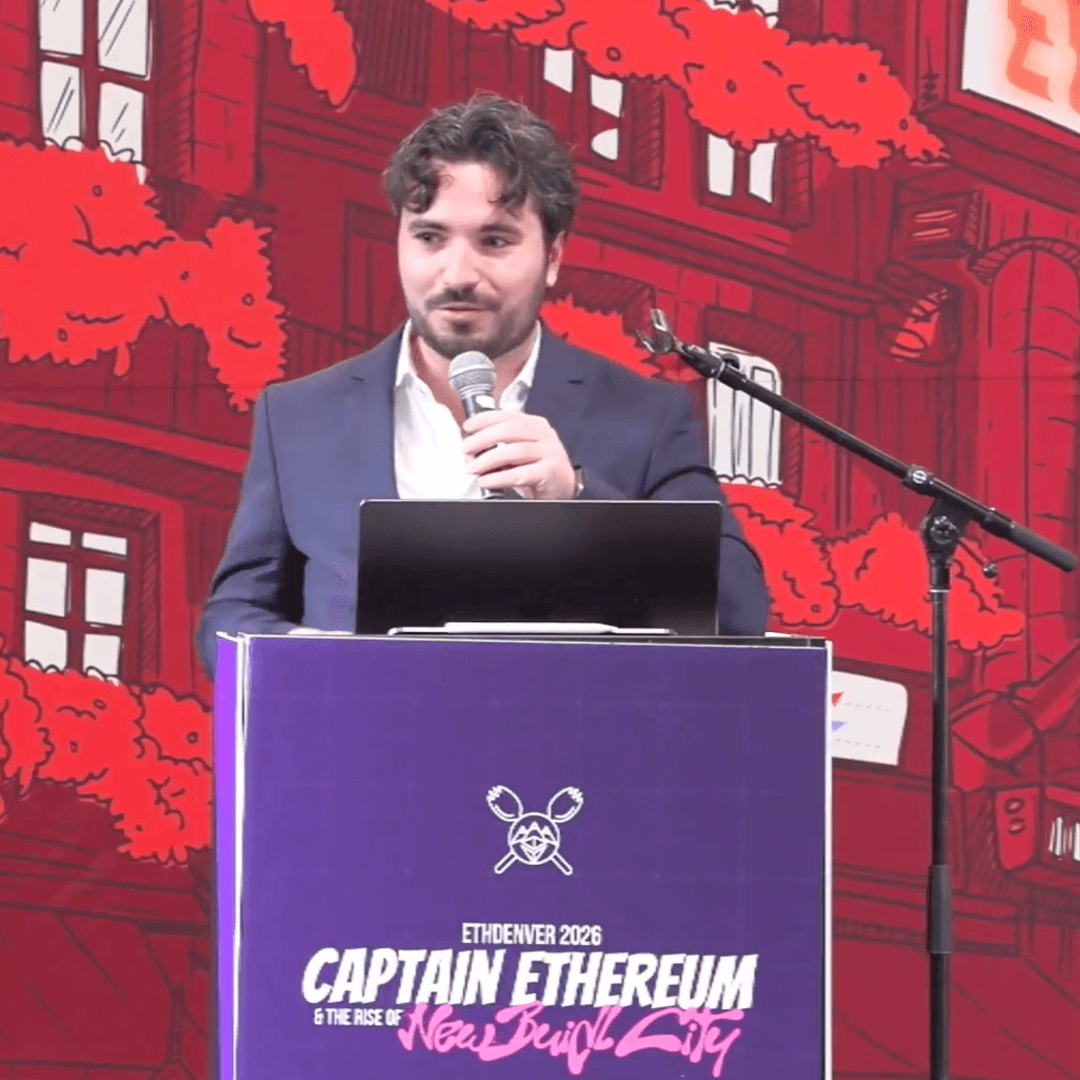
Lucas Martin Calderon left traditional finance to build Kash, a decentralised prediction market platform that gamifies prediction trading through X. With $2M in pre-seed funding and a Q1 2026 launch ahead, he's betting on a future where prediction markets become part of everyday life.
Q: You've described wanting Kash to be "part of everyday life" rather than just another crypto platform. How do you make prediction markets sticky enough to compete with people's daily routines?
A: The key word is "gamification." We're building leaderboards, points programs through Discord, and future benefits for early participants. But it's not just about the points. Creating an ongoing narrative helps users feel like they're building something while competing with friends.
Look at how fantasy sports became sticky. People check their lineups constantly, debate with friends, and feel invested in outcomes. We're building that same engagement loop but for a much wider range of events: sports, politics, entertainment, tech launches, you name it.
By May, we'll be running 50 markets per day. That means there's always something relevant to you happening right now. Whether you're into F1, following geopolitics or tracking tech company announcements, there's a market where you can participate. That frequency and relevance is what makes it habitual.
We're also integrating real-world utility. We're exploring the possibility of offering cashback, where prediction market participation translates into tangible benefits. That bridges crypto-native features with everyday spending.
Q: Your growth model focuses on “power users driving broader user adoption”. Who are these power users, and how do they bring in mainstream participants?
A: Power users are the people who deeply understand specific verticals, whether that's sports analytics, political forecasting, or entertainment industry trends. They'll leverage Kash to create content, share insights, and essentially become market makers for their communities.
We're identifying these power users and giving them tools to succeed. When someone sees a respected voice in their niche consistently winning predictions, it builds credibility and curiosity. "If this person I follow for F1 analysis is making money on Kash, maybe I should check it out."
It's a trust transfer model. We're not trying to convince crypto skeptics that blockchain is the future. We're showing them that someone they already trust is using this platform successfully. That's a much more powerful conversion mechanism.
We're also giving power users ways to bring their audiences with them through referral incentives, content creation support, and eventually, ways for them to curate their own prediction markets.
Q: You're launching a Prediction Market Council with thought leaders and investors. What role does this play in your strategy, and who are you bringing together?
A: The Prediction Market Council launches mid-February as our thought leadership initiative. We're bringing together sophisticated investors, market makers, exchanges, and VCs. These are the "smart followers" who give the space credibility.
The council serves multiple purposes. First, it's educational. We're hosting livestreams on how to set standards for prediction markets, discussing values and best practices. We're working with firms like Messari on research reports about the social thesis behind prediction markets.
Second, it's a trust signal. When serious institutional names are associated with your platform and willing to put their reputations behind your approach, that matters for fundraising and user confidence.
Third, it creates content: op-eds, interviews, X Spaces. All of this generates awareness in circles that matter. The council gives us authentic voices to amplify.
Q: You're building on Base but also working with Polygon and Sui. How do you think about chain selection, and what does each partnership bring to the table?
A: Right now, Base is our focus for on-chain settlement. It's fast, cost-effective, and has strong backing from Coinbase, which matters for both infrastructure reliability and future partnership opportunities.
But we're pragmatic about being multi-chain. Polygon is another supporter in our ecosystem, and Sui brings unique opportunities, particularly around potential F1 and Audi sponsorships that are being structured on their chain. We don't want to be religious about chain maximalism when there are legitimate strategic reasons to be present across multiple ecosystems.
The key is that users shouldn't care about which chain they're using. That's infrastructure they never need to think about. The protocol handles the complexity so they just experience fast, cheap transactions wherever they're happening.
Q: Between potential F1 sponsorships, World Cup integration, and cashback opportunities, you're clearly targeting mainstream audiences. How do you balance crypto-native features with mass market appeal?
A: The World Cup in June and July is going to be a massive launchboard for us. It's a global event with built-in engagement. Everyone has opinions, and everyone wants to participate. That's exactly where prediction markets shine.
The F1 and Audi sponsorship opportunities are in the same vein. These aren't crypto-first initiatives; they're mainstream brands and events where we happen to be the tech layer. For those users, Kash is just a fun way to engage with content they already care about. The fact that there's blockchain underneath is invisible and irrelevant to their experience.
On the cashback front, we're exploring how prediction market participation translates to real-world rewards. Imagine earning 1-2% cashback on your regular spending, powered by your activity on Kash. That's the kind of bridge that makes crypto useful without feeling like crypto.
The balance is this: crypto-native users get the transparency, decentralization, and composability they value. Mainstream users get a simple, fun app that feels familiar. Both can coexist on the same platform if you design the experience layers correctly.

